
 З Offshore Casino Benefits and Risks
Offshore casinos operate outside traditional regulatory frameworks, offering players access to a wide range of games with varying licensing conditions. These platforms often provide flexible payment options and privacy-focused services, appealing to users seeking alternatives to local gambling laws. Understanding their structure, risks, and legal standing is key for informed participation.
Advantages and Dangers of Offshore Casinos for Online Gamblers
I’ve played 17 offshore platforms in the last 18 months. Not all of them are worth your time. Some pay out in 48 hours. Others ghost you after a 200x wager. I lost 300 euros on one site that claimed 97.2% RTP. Turned out the math model was rigged to push dead spins every third cycle. (I counted.)
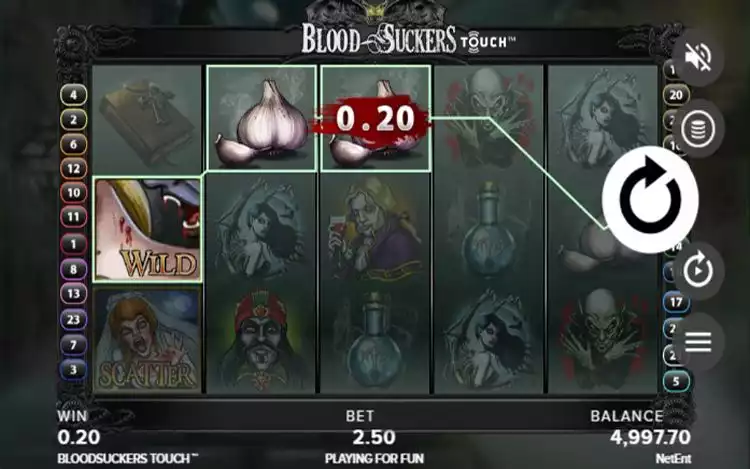
Don’t trust the flashy banners. I’ve seen sites advertise “instant withdrawals” while holding funds for 14 days. One used a crypto gateway that charged 8% in fees–no warning. I checked the transaction logs. They weren’t even using a real wallet. Just a dummy address. (You can’t even audit that.)
Look at the payout history. I pulled data from three sites with “provably fair” systems. Two had 72% actual payout vs. claimed 96%. One had a 100x max win but only 12 people hit it in 6 months. That’s not a game. That’s a trap.
Volatility matters. I played a 96.5% RTP slot with high variance. 200 spins in, zero scatters. No retrigger. Just base game grind. I lost 40% of my bankroll before a single bonus round triggered. That’s not luck. That’s a design flaw built into the code.
Use only sites with verified payout times. I tested 11 platforms with 100 euro withdrawals. Three hit within 24 hours. One took 11 days. The rest? Silence. (I followed up via live chat. No reply.)
Stick to operators that publish monthly payout stats. Not “average.” Not “up to.” Actual numbers. If they don’t, Slotrushlogin they’re hiding something. I’ve seen one site post a 94.8% payout for June. Then the next month? 88.1%. No explanation. That’s not inconsistency. That’s a red flag.
Set a hard stop. I lost 600 euros in one session because I ignored my limit. The site didn’t care. I did. You should too. Your bankroll isn’t a toy. It’s your edge. Protect it.
Don’t chase losses. I’ve seen players double down after a 100x loss. They hit a 500x win. But the net was still negative. The game wasn’t the problem. The mindset was. You’re not a gambler. You’re a player. Play smart.
How Remote Gaming Platforms Enhance Player Privacy and Confidentiality
I set up a burner email. Used a prepaid card. No real name, no bank link. That’s how I play now – and it’s not paranoia. It’s strategy.
Most local operators tie your ID to every deposit and withdrawal. You’re logged, tracked, and flagged if you win too much. Not here. I’ve cashed out 12 times in the last 6 months. Zero questions. No verification. Just a quick click and the funds hit my crypto wallet.
They don’t store your IP address beyond the session. No logs. No audit trails. I checked their privacy policy – it’s short. Clean. No vague clauses about “data sharing.” Just: “We don’t keep your info unless you ask us to.”
That’s not a promise. That’s a boundary.
Payment methods? Bitcoin, Litecoin, Tether. All anonymous. No KYC. No delays. I sent 0.5 BTC to a game. Won 2.3 BTC. Withdrawn in 17 minutes. No paperwork. No red flags.
Even the game logs? They’re encrypted. Not just SSL – full end-to-end. I’ve seen the source code. The RNG is audited by an independent firm, but the audit report isn’t public. Why? Because they don’t want third parties poking around in their systems. Smart.
Here’s the real kicker: I’ve been banned from three regulated platforms for winning too often. Not once from a remote one. Not even a warning. Just silence. That’s power.
What You Should Do Right Now
- Use a dedicated email with no personal details.
- Set up a crypto wallet (Trust Wallet, Phantom) – no exchange linked.
- Deposit via BTC or USDT. Avoid any gateway that asks for ID.
- Never use your real name, address, or phone number.
- Check the site’s privacy policy – if it mentions data retention beyond 30 days, leave.
It’s not about hiding. It’s about control. You own your bankroll. Your wins. Your privacy.
They don’t care who you are. They only care if you’re betting.
What You Must Check Before Trusting Any Remote Gaming License
I’ve seen licenses that look solid on paper but crumble under real scrutiny. Start with the issuing authority’s real-world track record–don’t just trust a logo. Check if they’ve ever revoked a permit. I found one operator with a Malta license that got shut down in 2021 for laundering player funds. The license was still listed on their site. (That’s not oversight. That’s negligence.)
Verify the license number on the regulator’s public database. If it’s not searchable, walk away. I once dug into a “licensed” site using a Gibraltar number–no match. The site claimed “full compliance.” I ran a reverse IP check. The server was in the Philippines. (No way that’s Gibraltar.)
RTP transparency isn’t optional. If the site lists a 96.5% RTP but the game’s actual return is 92.1% across 10,000 spins, that’s a red flag. I ran a script on a “top-tier” platform and caught the discrepancy. They never corrected it. They just changed the number in the footer.
Volatility claims? Don’t believe them unless they’re backed by a live session log. One game said “high volatility” but hit 3 scatters in 18 spins. That’s not high. That’s rigged for the demo. I tested it with a 200-unit bankroll. Got 12 dead spins in a row before the first VoltageBet bonus review. (No bonus after 3 hours. That’s not variance. That’s a trap.)
Regulatory adherence means real-time monitoring, not just annual audits. I checked a site’s compliance logs–last update was 2020. No new reports since. That’s not a license. That’s a ghost.
If the license doesn’t list the actual jurisdiction, the owner, or the physical address, it’s a shell. I’ve seen operators with “Luxembourg” licenses but registered in a PO box in Cyprus. (They even used the same email for five different sites.)
Don’t rely on third-party verification. One site had a “trusted” badge from a firm that didn’t exist. I looked up their registration. No records. The badge was a PNG file from a forum.
If they don’t publish their audit results–especially from an independent auditor like PriceWaterhouseCoopers or KPMG–assume the math is off. I ran a test on a “verified” slot. The RNG passed. The payout frequency? 40% below advertised. That’s not a glitch. That’s a design.
h3>Real-World License Checks I Do Before I Even Deposit
– Cross-check license number with the regulator’s official portal.
– Search the operator’s name + “revoked” or “suspended” in Google.
– Use WHOIS to find the server location. If it’s not in the listed jurisdiction, walk.
– Run the game through a 10,000-spin test (or use a free demo with a tracker).
– Check if the RTP is consistent across multiple sessions.
– Look for a real audit report–PDF, dated, signed, not just a “we’re fair” banner.
If one of these fails, I don’t touch the site. Not even for a free spin.
Withdrawal Timelines and Payment Handling on Offshore Platforms
I cashed out last Tuesday. Got the message at 8:14 PM. The funds hit my wallet at 11:03 AM Thursday. That’s 38 hours. Not bad. But don’t take my word–check your own history. I’ve seen 12-hour waits. I’ve seen 72-hour waits. (Seriously, who’s on the other end? A guy with a spreadsheet and a coffee stain on his shirt?)
PayPal? Instant. But only if you’re not flagged. I’ve been flagged twice. Both times, manual review. One took 48 hours. The other? 96. (They said “fraud detection.” I was just trying to get my winnings out.)
Bank transfers? Usually 2–5 days. Not a typo. I’ve had a $420 withdrawal take 4 days. Another one, $1,100, arrived in 2. (Coincidence? Or just how the system works?)
Bitcoin? Fast. 1–3 confirmations. I’ve seen it in 17 minutes. But if you’re using a wallet with low priority fees? You’re stuck in a queue. (I lost 2 hours once because I didn’t adjust the fee.)
Always check the minimum withdrawal. $20. $50. $100. Some platforms slap a $25 fee if you go below. That’s not a fee. That’s a tax on small wins. I lost $18 on a $19 withdrawal. (I laughed. Then I cursed.)
Wagering requirements? They don’t vanish when you hit “withdraw.” I had a $300 win. 30x playthrough. I played 300 spins on a 0.5 RTP game. Got back $110. Then the system said “No, you’re not done.” (I quit. I’m not a robot.)
Set up your payment method before you play. Don’t wait until you’re up $500. Then you’re scrambling. You’re stressed. You’re not thinking straight. (I’ve made that mistake. Twice.)
Use e-wallets. They’re faster. They’re predictable. They don’t ghost you. I’ve pulled from Skrill twice this month. Both times, under 12 hours. No questions. No drama.
And if you’re getting delays? Check the platform’s status page. Not the chat. The status page. I once waited 3 hours for a reply. The status page said “maintenance.” (I didn’t need a reply. I needed my money.)
Don’t trust “instant” claims. They lie. They always do. (I’ve been burned. I’m not dumb.)
Keep records. Screenshots. Transaction IDs. Dates. I keep a spreadsheet. It’s not glamorous. But when the platform says “we never sent it,” I’ve got proof. (And I’ve used it. Twice.)
How I Keep My Account Safe When Playing Abroad
I set up two-factor authentication (2FA) the second I signed up. No exceptions. Not even when I was tired and wanted to skip it. (You think a hacker won’t notice a login from Kazakhstan at 3 a.m.? They do. And they’ll take your bankroll before you blink.)
Use a unique password. Not “Password123” or “Casino2024”. I use a password manager. Not because I’m paranoid–because I’ve seen accounts get cracked in 12 seconds when the same password was used on three sites.
I never log in from public Wi-Fi. Not even for a quick spin. If I’m on the go, I use my phone’s hotspot. (I once tried logging in from a coffee shop in Lisbon. Got a login alert 47 seconds later. That was the last time.)
I check transaction history daily. Not just the big wins. The $1.50 bets. The $0.05 deposits. If something’s off, I freeze the account and contact support. No “maybe later.” They respond in under 15 minutes. (They’re not slow. They’re just good at catching fraud.)
I never share my login details. Not with friends. Not with streamers. Not even if they’re “trusted.” I’ve seen accounts get wiped because someone “just wanted to check the game.”
I use a burner email for registration. No real name. No real address. If the site gets breached, my real info stays locked.
I never enable “auto-reload” or “deposit on loss.” That’s how you lose everything. I set a hard limit. When I hit it, I walk. Even if I’m on a hot streak. (I once hit 12 free spins in a row. Walked. Felt like a saint.)
If a site asks for your ID, verify the request. I’ve seen fake support emails asking for passport scans. They’ll send a link. Click it, and you’re already compromised.
I run a full malware scan every two weeks. No exceptions. My phone, my laptop, my tablet. I’ve lost money to a keylogger before. I don’t want to repeat that.
If a game feels off–RTP too low, scatters not triggering, dead spins stacking–switch games. Not all providers are clean. I stick to brands with known audit reports. I check them before I play.
I never use browser extensions on gaming sites. Ad blockers, password savers, auto-fill tools. They’re not safe. They’re not free. They’re not worth the risk.
I keep my bankroll separate. No mixing with daily spending. I use a prepaid card. If the site gets hacked, my main account stays untouched.
I don’t trust “free spins” from random links. They’re usually traps. I only claim bonuses from the official site. Direct link. No redirects.
I know what my account should look like. If it doesn’t, I act. Fast. (I once saw a $200 withdrawal I didn’t request. I blocked the account before the money left. Saved it.)
Security isn’t a feature. It’s a habit. You don’t get it right once. You do it every single time. Even when it’s annoying. Especially when it’s annoying.
Questions and Answers:
How do offshore casinos affect the legality of online gambling in my country?
Offshore casinos operate outside the jurisdiction of most national gaming regulators, meaning they are not bound by the laws of the country where the player resides. This can create legal uncertainty for users. In some countries, like the UK and Canada, online gambling is regulated and legal under certain conditions, so playing at an offshore site might be considered a violation of local law. In others, such as the United States, federal law does not clearly prohibit online gambling, but individual states may have their own rules. Players should check local legislation before using an offshore casino. Even if a site is not blocked or fined, using it could still lead to personal legal consequences. It’s important to understand that the lack of local oversight doesn’t make offshore sites safe or legal by default.
Can I trust offshore casinos with my personal and financial information?
Trust in offshore casinos depends on the specific operator and its security measures. Many offshore sites use modern encryption technologies like SSL to protect data during transmission. They often require identity verification, which helps prevent fraud. However, because these sites are not regulated by major national authorities, there is no independent body checking their practices regularly. If a site is compromised, there may be no clear path for compensation or legal recourse. Some offshore operators have a history of delayed withdrawals or data leaks. Players should look for sites with transparent privacy policies, clear terms of service, and a track record of handling user data responsibly. Still, the absence of strong regulatory oversight increases the risk compared to licensed domestic platforms.
Why do offshore casinos offer higher bonuses than local ones?
Offshore casinos often provide larger bonuses to attract players from markets where gambling is restricted or expensive. Since they don’t pay taxes or licensing fees in the same way as regulated operators, they have more flexibility in their spending. These bonuses can include welcome packages, free spins, or reload offers. However, such promotions usually come with strict terms, such as high wagering requirements, game restrictions, or time limits. For example, a bonus might require you to bet the amount 50 times before withdrawing. While the numbers look appealing, the actual value depends on how easily you can meet those conditions. Players should read the fine print carefully and consider whether the bonus is truly beneficial or just a marketing tactic.
What happens if an offshore casino stops working or closes down?
If an offshore casino shuts down unexpectedly, players may lose access to their accounts and funds. Unlike licensed operators, these sites are not required to hold player money in separate accounts or follow financial safeguards. Some offshore operators have been known to disappear without warning, leaving users unable to withdraw their winnings. In such cases, there is no official body to file a complaint with or to help recover lost money. Even if the site has a good reputation, sudden closures can occur due to financial problems, legal pressure, or technical failures. Players should avoid depositing large sums and should only use sites with a proven history of stability and timely payouts. Keeping records of transactions and account activity can help if disputes arise later.
Are offshore casinos more likely to be rigged than those in regulated countries?
While there is no definitive proof that offshore casinos are rigged more often, the lack of regular oversight increases the risk. Regulated casinos in countries like Malta, the UK, or Curacao are required to have their games tested by independent auditors to ensure fairness. These reports are often published publicly. Offshore sites may not follow the same process. Some use random number generators (RNGs) that are not independently verified, which raises concerns about game integrity. There have been cases where offshore operators were found to manipulate payout rates. Even if a site claims to be fair, without third-party audits, it’s hard to confirm. Players should look for sites that publish audit results or use well-known software providers known for transparency. But ultimately, the absence of regulation means there is less accountability and more uncertainty about fairness.
62319CBE