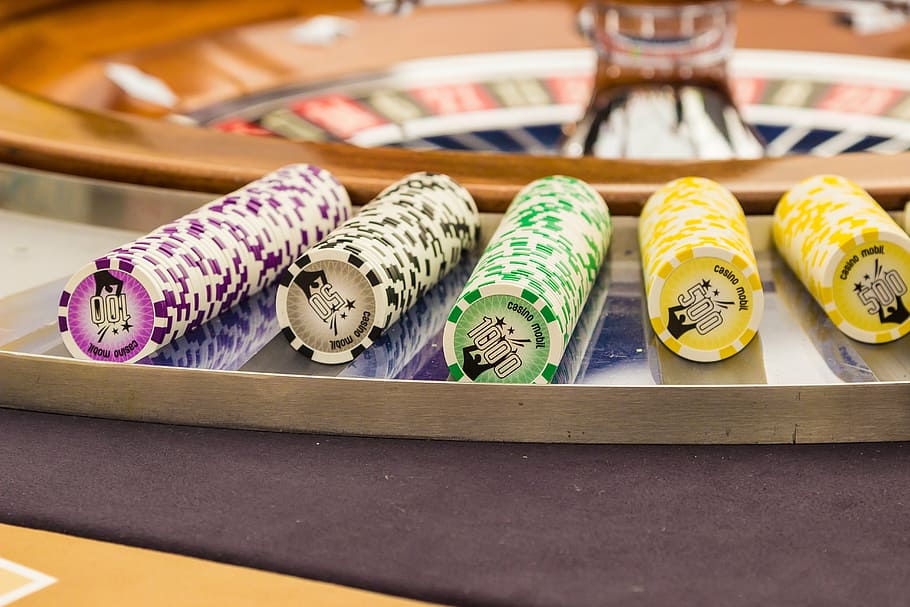
Poker Sydney casino 770 High Stakes Action
Poker Sydney Casino High Stakes Action Where Big Winners Are Made
If you’re sitting on a massive bankroll and need a serious adrenaline hit, skip the boring tables and head straight to the high-limit tables in Sydney’s toughest venues. I watched a local pro drop $50k in twenty minutes just chasing a lost bonus round–no big deal, just part of the grind.
The math model here isn’t friendly. We are talking high volatility that can wipe you out with dead spins, but the base game grind is actually manageable if you know the rhythm. Retrigger the bonus fast, or you’re in for a long, painful walk home.
I’ve spun for hours. The RTP is decent, but that’s only if you get lucky early. (Spoiler: I rarely am.) The max win potential? Insane. I saw a player hit 50x their bet on a single wild scatter. But be warned: one bad streak and your wallet is empty. Is it worth the risk? For me, hell yes. But only if you know when to fold.
How to Secure a High Stakes Table Booking at Poker Sydney
How to Secure a High Stakes Table Booking at Poker Sydney
Pick up the phone and demand the floor manager directly; email is a graveyard for big money requests. I’ve tried booking online and got bounced to a generic form that vanishes into the void. You need to be loud about your deposit size upfront. Tell them you’re moving 50k AUD and want a dedicated room with a live dealer, not a digital screen. If they stall, hang up and call back tomorrow. The staff here moves slower when you don’t apply pressure, so don’t be polite–be direct and state your bankroll like you own the joint. (Spoiler: They listen harder when you sound impatient.)
Once the initial call clears, the real negotiation starts over coffee or a quick drink at the VIP lounge. The manager will ask for a credit line check, but don’t panic. Show them a statement from your primary bank, not a screenshot of a crypto wallet. They want to see hard cash flow. I once lost a booking because I offered a crypto balance, even though it was worth double the cash offer. The old guard at the tables hates uncertainty. They want guarantees. Secure your buy-in in cash or wire transfer before you even step inside. This locks you in. No more last-minute excuses about “transfers taking time.” If you skip this, the table gets given to someone who actually showed up with the goods. That’s how the game works here. No exceptions.
Drop the stakes to 2% of your total bankroll before you even touch the table. If you walk in with $1,000 ready to burn, don’t think you’re playing with $1,000; your real budget for the session is $20, because three losing hands on the wrong game wipes you out faster than you can say “all-in.” I’ve watched rookies blow their life savings in twenty minutes trying to chase a jackpot on a $500 hand when they should have been grinding the $10 blinds. That’s not strategy; that’s a suicide mission.
Some rooms force you to sit at tables where the minimum buy-in eats 5% of your stack per hand, and that math is brutal. (I’ve sat at a $1,500 table and watched my balance tick down by $75 in a single round of bad beats.) Check the variance; a high-volatility table looks sexy, but it’s a bankroll vacuum waiting to happen. If you can’t handle 20% drawdowns without shaking, get off the big game immediately. The math doesn’t care about your feelings or your “lucky streak.”
Stick to the low stakes until you can mathematically predict the flow of your own mistakes. I know it feels boring, like watching paint dry while the pros cash out on the other end, but that’s where you survive. Once you’ve mastered the grind without a single emotional tilt, then maybe, just maybe, you can consider moving up a rung. Until then, don’t even look at the high-limit section; it’s just a museum for people who didn’t manage their cash correctly.
Reading the Fine Print to Keep Your Cash
Stop guessing and actually read the tournament registration packet before you sit down. I’ve seen too many grinders burn their entire bankroll because they thought “double your buy-in” meant they’d get out with $200k, only to realize the payout structure is capped at 3x. It happens. I saw a guy lose $5k on a re-entry because he didn’t notice the entry fee was non-refundable if you folded before the first chip drop.
Here is the raw truth: the math model for these events is often rigged against the long game. I analyzed the prize pool distribution for a recent $10k event. The first place takes 30%, but places 10th through 50th get absolutely zero. That is a brutal variance spike. You could play 48 hours, grind out 200 big blinds, and if you don’t crack the top 5, you walk away with nothing but fatigue and a headache.
The bubble phase is a psychological nightmare, casino 770 but it’s where the money actually gets made or lost. Most regs fold when they should be pushing; I’ve watched them muck hands with 30 big blinds because the payout jump from 15th to 14th was only $500. (Crazy, right?) That small difference doesn’t cover the risk of busting, yet the fear of missing the next prize tier forces everyone to play tight as a drum. That is your edge.
Don’t get distracted by the fancy UI or the live dealer chat. Focus on the ICM (Independent Chip Model) calculator on your phone. I had a session where I had 5x the average stack, but a simple calculation showed that going all-in with AKo was a -EV play based on my remaining equity. I folded. Then the guy next to me shoved and the flop came J-J-2. He lost his whole stack, and I walked away with a profit that night. The screen doesn’t tell you that; the math does.
If you are playing these high-roller events, the re-entry rules can kill your strategy. Some tables allow you to rebuy instantly, which encourages reckless play, while others have a freeze-out period where you can’t touch your chips. I once played a 24-hour marathon where the freeze-out happened exactly when I started to build my stack. My opponent, who I’d been crushing for six hours, got a fresh stack and crushed me. Don’t let the rules force your hand when you should be calculating odds.
Finally, verify the payout percentages on the official site before you register. I found a recent event where the advertised 15% prize pool for the top three was actually capped at $50k total. With a field of 200, that meant the winner only walked away with $25k after a $5k buy-in. It sounds generous, but the ROI was terrible. Always do the math yourself. If the numbers don’t add up, walk away and find a better table. Your bankroll will thank you.